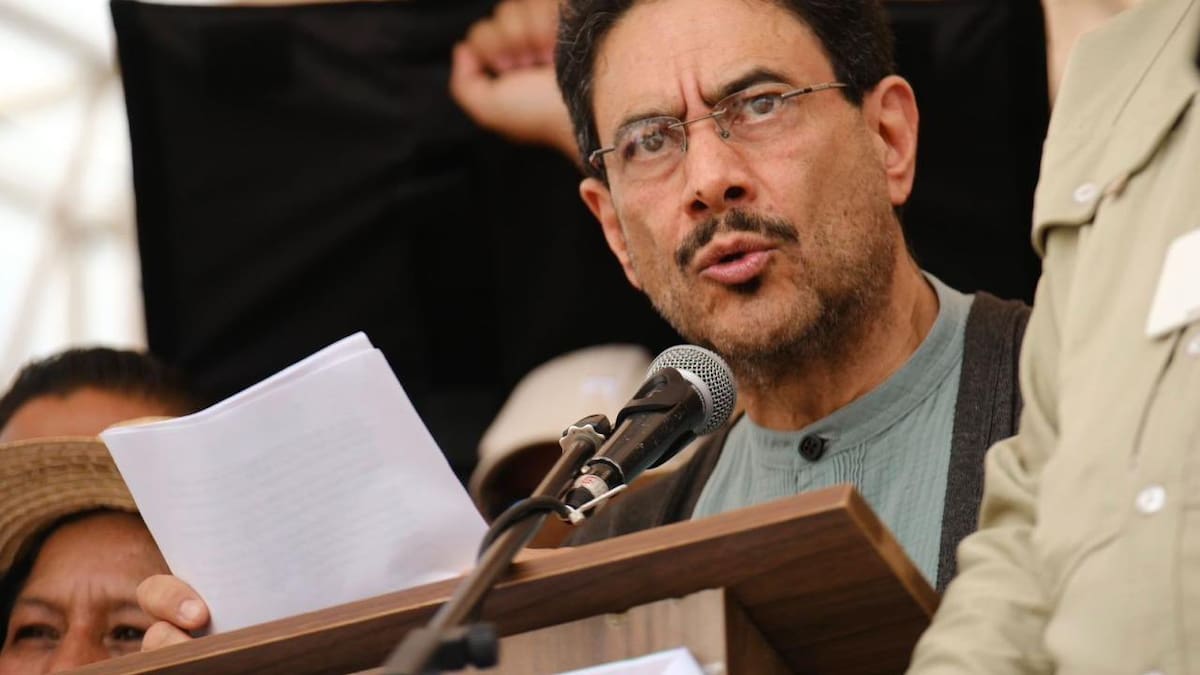
For decades, Iván Cepeda has been one of the most recognizable figures on Colombia’s political left. Human rights advocate, senator, activist, and one of the fiercest critics of former President Álvaro Uribe, he is now attempting to take the final step in his political career: reaching the presidency of the Republic. — At 63 years old, Cepeda has become the standard-bearer of the progressive movement led by President Gustavo Petro and is widely viewed as the candidate representing continuity for the political project currently in power. His candidacy under the Pacto Histórico coalition has positioned him among the leading contenders in the 2026 presidential race.
A Life Marked by Political Violence
Cepeda’s political identity has been deeply shaped by Colombia’s armed conflict and by personal tragedy.
He is the son of Manuel Cepeda Vargas, a left-wing senator and member of the Patriotic Union who was assassinated in 1994. Following his father’s murder, Cepeda spent years in exile before returning to Colombia, where he dedicated much of his public life to defending victims of violence and promoting human rights.
Throughout his career, he has worked closely with organizations representing victims of state violence, paramilitary groups, and armed conflict, becoming one of the most prominent voices demanding truth, justice, and reparations.
From Activist to Presidential Candidate
Before launching his presidential bid, Cepeda served for years in Congress, where he gained national attention for his investigations into paramilitary structures and their alleged connections to political figures.
His long-running legal and political confrontation with former President Álvaro Uribe became one of the defining aspects of his public career. Supporters see him as a defender of accountability and victims’ rights, while critics argue that his political profile has been built largely around that confrontation.
In 2026, Cepeda formally entered the presidential race as the candidate of the Pacto Histórico coalition, presenting himself as the leader capable of consolidating and deepening the reforms initiated during Petro’s administration.
The Candidate of Progressive Continuity
Cepeda’s platform centers on reducing inequality, strengthening social programs, expanding state investment in vulnerable communities, and continuing peace negotiations with armed groups under revised conditions.
Political analysts have described him as the candidate most closely associated with the continuation of Petro’s agenda, although he has sought to project a more measured and institutional leadership style.
His vice-presidential running mate, Indigenous leader and senator Aída Quilcué, has been viewed as a strategic choice aimed at reinforcing the coalition’s commitment to ethnic representation, social movements, and historically marginalized communities.
A Polarizing Figure
As with many leading figures in Colombian politics, Cepeda generates both strong support and strong opposition.
Supporters praise his consistency, human rights advocacy, and commitment to victims of the conflict. Critics question his proximity to left-wing movements and express concerns about extending the policies of the current government. Public debate surrounding his candidacy has become one of the central elements of the 2026 presidential campaign.
With the election approaching, Cepeda remains one of the most influential and controversial figures in Colombia’s political landscape, seeking to transform decades of activism, legislative work, and progressive leadership into a presidential victory.